
Original article (in Serbian) was published on 15/7/2025; Author: Stefan Janjić
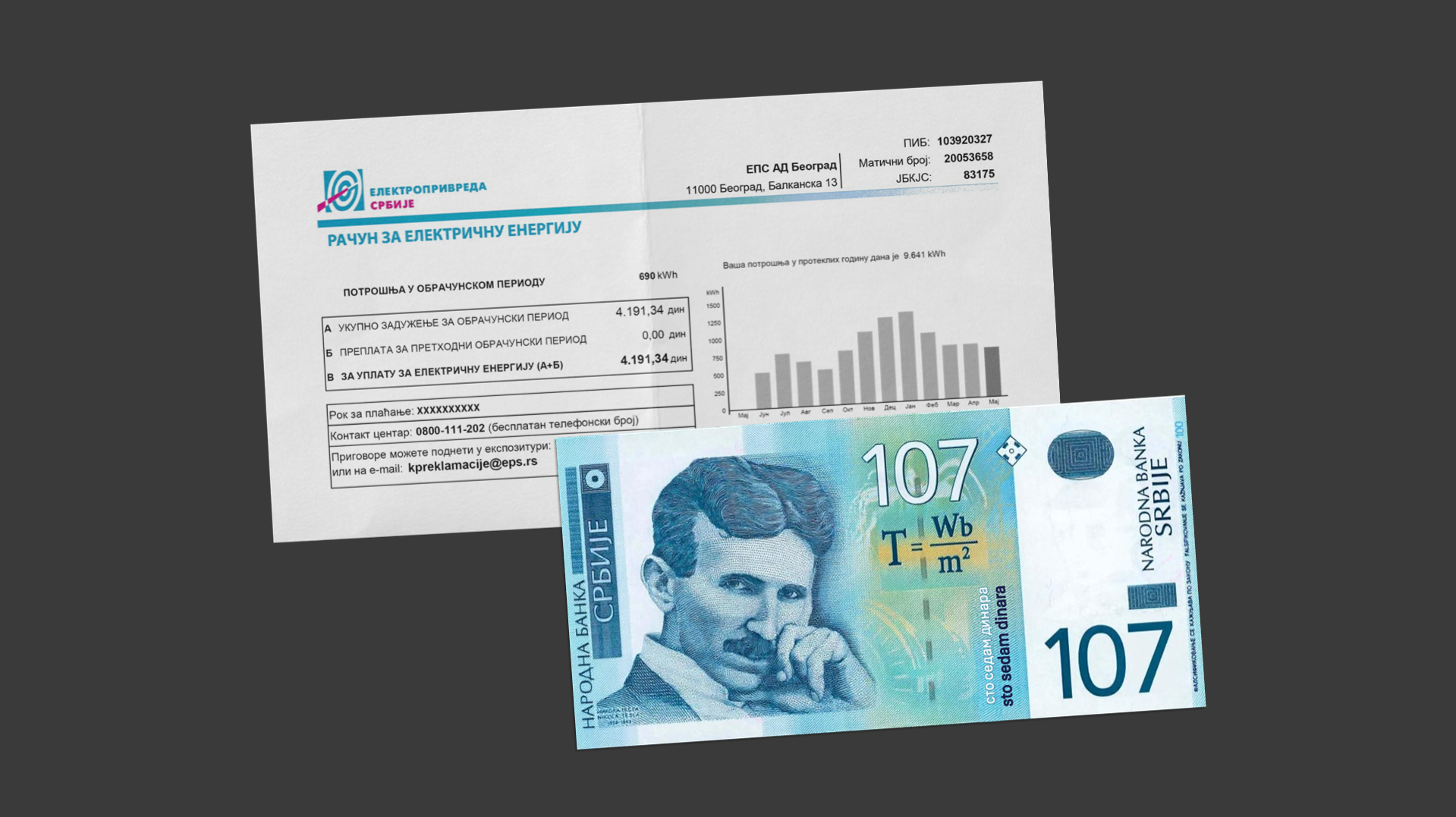
It was mid-April, and the director of the Serbian Electric Power Company (EPS), Dušan Živković, told RTS that this public utility had no plans to increase the price of electricity for households by the end of the year. However, his “we don’t plan to” statement was reported in several media outlets as definitive confirmation that there would be no price hike. Less than three months later, the public was informed that higher electricity bills were likely to await us as early as the fall.
“Excellent” news
Although most media outlets reported Živković’s statement with appropriate caveats, Alo , Informer and Glas javnosti took it for granted. “The price of electricity will not change this year – This news interests all citizens”, was the headline of the Alo portal , while Glas javnosti stated, “EPS will not change electricity prices: The only thing that can be done is to lower the red tariff limit”. Informer published the failed announcement not only on the portal, but also on the front page of its printed edition (April 17), with the superscript “Excellent news” .
However, the International Monetary Fund (IMF) published a report for Serbia on July 10, stating that a 7% increase in electricity tariffs is still planned for this year by October. The report was accompanied by a policy statement signed by Prime Minister Đuro Macut, NBS Governor Jorgovanka Tabaković, and Finance Minister Siniša Mali.
Good and bad news
According to the IMF report, Serbia has recently experienced steady economic growth, inflation has approached the target level, and unemployment has fallen to its lowest level in ten years. Fiscal and foreign exchange reserves have also been strengthened, and the country has received an investment-grade credit rating for the first time. On the other hand, it is emphasized that external and internal uncertainties are increasing, and that the postponement of structural reforms could slow down the country’s ability to catch up with more developed economies.
The IMF report states that foreign direct investment is likely to decline in Serbia (from 5.6% of GDP in 2024 to below 4.5% by 2030), due to a decline in investment in the manufacturing sector and weaknesses such as corruption, political instability, and the gray economy. Although the authorities point to the protests as the main reason for the weaker investment inflow, the IMF emphasizes that other problems should also be taken into account – broader economic uncertainty at the global level, as well as political instability in Serbia.
The IMF also states that additional government spending, with which the government would try to calm social tensions in the run- up to the elections (in 2027, if not earlier), could jeopardize fiscal targets and increase the budget deficit.