
In the Balkans, if you get sick, the doctor is often one of the last places you’ll go. The first stop is usually the cupboard where you keep rakija – a strong fruit brandy with 40–60% alcohol and, according to locals, almost miraculous healing properties.
A rag, a bottle of rakija, and suddenly you have an obloga – a compress wrapped around your feet to “pull down” a fever. To be fair, rakija can offer superficial relief for certain symptoms. But as pharmacist Nikola Bošković told N1 Bosnia last April, using it to reduce fever can easily backfire.
“The human body naturally maintains a constant temperature. If we have a slightly elevated temperature – 38°C and above – the body will try to keep it there. If we suddenly lower the temperature to 36°C with alcohol compresses, the body will try to raise it back to where it was before, meaning the fever will quickly return and the effect is minimal,” he explained.
This helps explain why people keep turning to natural remedies: they often appear to work immediately, even if only temporarily. Professor Livia Puljak, head of the Center for Evidence-Based Medicine at the Catholic University of Croatia, says that “natural cures” feel emotionally familiar to many people: “Many grew up with herbal teas and their grandmothers’ home remedies, so these treatments feel close and comforting”.
The statistics reflect this trend, and the Balkans are no exception. According to the World Health Organization, in many developing countries up to 80% of the population relies on traditional medicines, mostly herbal or local remedies, as one of their primary forms of healthcare.
Natural “cures” also seem safer and healthier to people, Puljak explains, while pharmaceutical products are often dismissed as “chemicals,” a word many associate with something “unhealthy” or “unnatural.” But she stresses that natural and synthetic compounds influence the body in the same biochemical way.
“Natural substances are still made of chemicals,” Puljak explains. “Every plant contains a whole range of chemical compounds, so taking an herb doesn’t mean you’ve “avoided chemicals.” Many of these compounds have been studied and are now used in medications, where they’re given in doses proven to help people.”
She adds: “When we take a tablet, we know exactly what it contains, it’s strictly regulated. But when we pick a plant, we can’t be sure of its chemical composition. It depends on where it grew, how much sun or moisture it was exposed to, and many other factors.”
The “natural remedy” industry
The market for “natural” cures has grown into a massive industry – one so unregulated that its true value is impossible to determine. Millions are made through online sales of herbal mixtures, oils, powders, and tinctures, all promoted with claims of miraculous healing properties. Yet these same products often carry disclaimers stating they do not actually treat or cure disease.
Puljak notes that “natural remedies are usually advertised through simple, catchy messages. People are drawn to straightforward explanations and personal stories, while standard medicine often feels too complicated and full of technical terms.”
Conspiracy theories about “Big Pharma” further fuel this distrust, she adds. “People believe there’s so much money in the pharmaceutical industry that things must be hidden from them. But they rarely stop to think that so-called natural medicine is also a huge business. Alternative medicine is an enormous industry as well,” she told SEE Check.
Professor Haris Nikšić from the University of Sarajevo’s Faculty of Pharmacy says this problem is amplified by the limitless availability of information, and disinformation, online. Social networking platforms have become ideal marketplaces for “natural products,” and people increasingly rely on the internet to diagnose themselves and search for treatments, often accepting what they find without question.
“People now treat themselves using tools like ChatGPT,” he noted. “It can give very good answers, but in some cases it can mislead you completely and fail to provide the right information.”
Meanwhile, Puljak emphasizes, the pharmaceutical industry is tightly regulated. Drug manufacturers must use rigorous research to prove that a medicine can prevent or treat a specific condition. By contrast, sellers of alternative remedies can “package a bit of herb, put it on the market as a dietary supplement, advertise it as a cure for every possible illness – and they don’t have to prove to anyone that it actually works the way they claim.”
In 2021, fact-checking outlets Raskrinkavanje.ba and Fake News Tragač uncovered a sprawling network of companies promoting various products with absurd “healing” claims, active in a wide range of countries in the broader South East Europe region. Their investigations revealed multiple deceptive techniques, including the false use of well-known public figures who had never endorsed these products.
The importance of regulation
Nikšić also stresses the importance of regulation.
“It’s crucial to consult a qualified professional and to buy medicines from a pharmacy, to buy products that are registered, that have passed official quality control, and are on the list of approved substances,” he explained.
By contrast, natural remedies are often sold informally or online, without any oversight. “No one checks whether a bottle labeled to contain blueberry extract actually does. It might indeed be a medicinal plant and it might even be listed as an ingredient, but whether it’s actually inside the product is a completely different matter,” Nikšić said.
Puljak adds that many people simply do not understand how medications are developed, how strict the regulatory process is for getting a drug approved, how medicines work, what side effects are, or why the benefits and risks of every drug must always be carefully evaluated.
This lack of understanding is paired with a deep distrust of the healthcare system. A 2022 study found that citizens in the Western Balkans have consistently low levels of trust in their medical institutions. Natural remedies, on the other hand, are easily accessible, and so are the people who sell them, and, as Puljak notes, they often give patients more time and attention than a doctor can.
Puljak illustrates this with an example: “A friend of mine injured her knee and went straight to an herbalist, because the herbalist was available immediately, while she would have had to wait months for an appointment with an orthopedist.”
Amar Karađuz, a fact-checker at Bosnia’s Raskrinkavanje, who helped uncover the network of companies, says sellers of “natural remedies” actively exploit this distrust of conventional medicine. “In the texts we’ve analyzed, we often encounter claims that standard, prescribed therapy doesn’t work, along with suggestions that the advertised product should be taken instead – as if it ultimately cures the illness,” he explained.
But does it work?
Peruvian strawberries cure colorectal and prostate cancer. Burdock root tea heals psoriasis. Oregano is a universal panacea capable of treating everything from the common cold to cancer. These are claims we would all like to be true. The idea that nature alone holds simple, side-effect-free cures for devastating illnesses is comforting, hopeful, and appealing. But these claims don’t hold up.
While many popular natural “cures” do contain ingredients with genuine health benefits, the same pattern appears again and again: a compound with useful nutritional or biochemical properties is exaggerated into a claim that it can treat or cure disease.
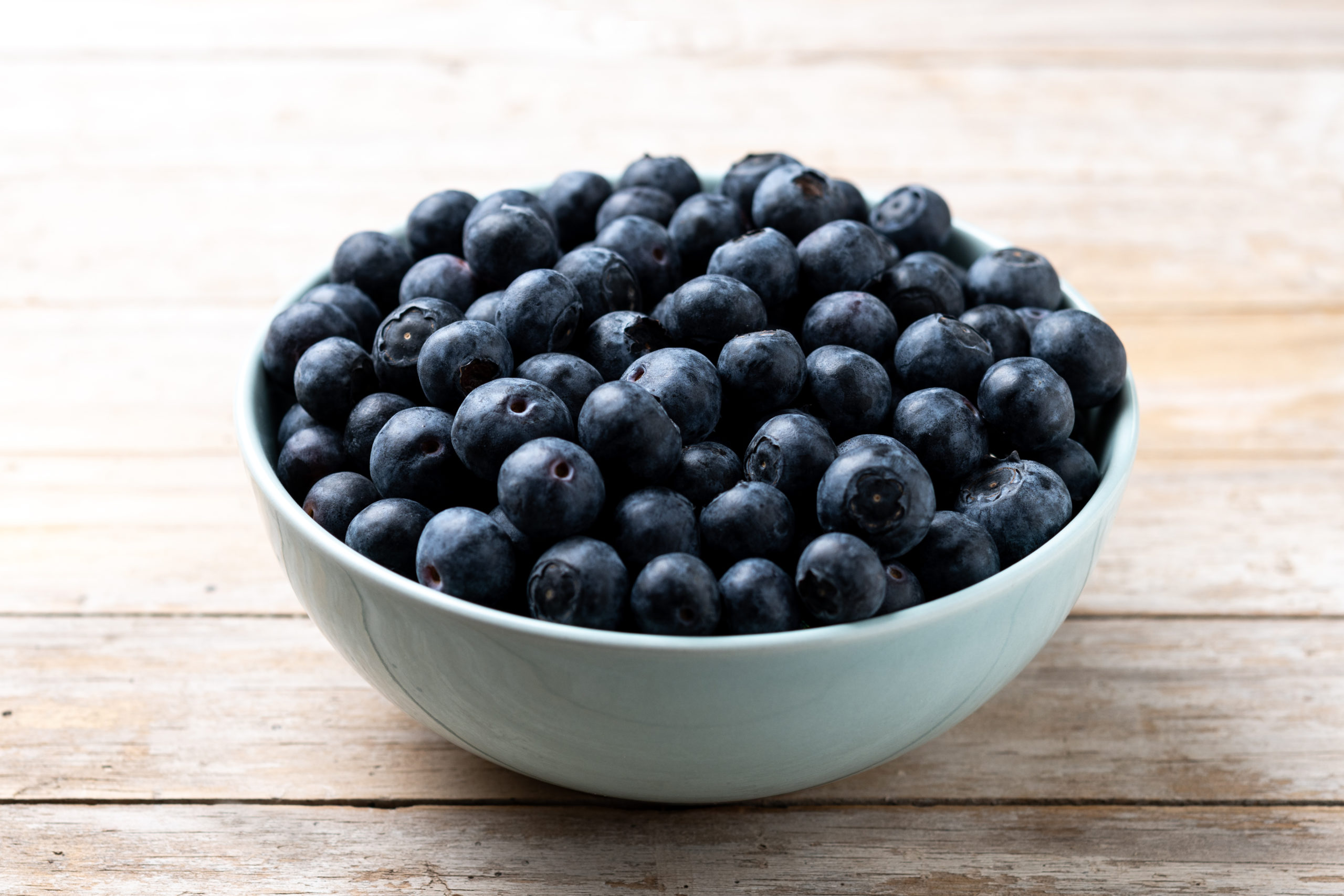
Take blueberries, for example. They are nutritious, rich in antioxidants, and contain vitamin C – which is essential for immunity, collagen synthesis, and healthy blood vessels. But the leap from “healthy fruit” to “prevents cancer” is scientifically unfounded.
As Karađuz explains in a Raskrinkavanje analysis, this kernel of truth is then inflated into a “magical cure,” with viral posts claiming blueberries can “prevent” cancer. While some studies may identify certain beneficial compounds, these findings typically come from laboratory conditions that cannot be replicated in everyday life, and often involve concentrations far higher than any normal diet could provide.
These studies are not meant to encourage people to consume extraordinary amounts of blueberries. Instead, they help researchers determine whether a specific compound might one day be used in a pharmaceutical context, after years of testing, regulation, and clinical trials.
They are not evidence that eating fruit, however healthy, can cure complex diseases.
Sometimes, these so-called “cures” can also have harmful effects. Puljak notes that natural remedies can damage the liver or kidneys, or even be toxic. “They can also interact with prescribed medications, weakening their effect or, in some cases, dangerously amplifying it,” she said.
People often assume that “if it doesn’t help, it can’t hurt,” Nikšić adds, “but that is often completely wrong.”
According to Puljak, the greatest danger is that a serious illness can quietly progress, or worsen, while a person believes a natural product will help them. “Natural preparations generally cannot treat pneumonia, heart disease, cancer, diabetes, or other serious diagnoses. When proper treatment is delayed, the illness continues to advance. By the time a person finally sees a doctor, it is often too late for the best outcomes, or the therapy becomes much more difficult and risky,” she explained.
Nikšić points out that desperation makes people especially vulnerable. “It’s easiest to manipulate someone who is sick. Give them anything, and they will try it. When people are facing serious illness, they often lead themselves down the wrong path simply because they desperately want to help themselves,” he concluded.
And rakija? We regret to inform you that it’s useless against diabetes, cancer, and most diagnoses, but for heartbreak, the Balkan nonclinical trials remain optimistic.