
Original article (in Serbian) was published on 5/12/2025; Author: Stefan Kosanović
In an article published at the beginning of December, the Serbian tabloid Informer described the allegations against Israeli Prime Minister Benjamin Netanyahu as “nonsense,” portraying them as an example of what it claimed was “prosecutorial madness” that, according to the this tabloid, also exists in Serbia. In reality, the cases against Netanyahu involve long-running judicial proceedings that include allegations of accepting luxury gifts in exchange for political favours and attempts to exert influence over the media. Such reporting fits into a broader trend that has been unfolding in Serbia for weeks, in which tabloids and government officials have stepped up pressure on domestic prosecutors, publicly targeting them and announcing plans for a reorganisation that could place the Prosecutor’s Office for Organised Crime under greater political control.
“It’s not only in Serbia! Prosecutorial madness is spreading across the planet: You won’t believe what ‘nonsense’ Netanyahu is being prosecuted for,” read a headline published by the tabloid Informer.
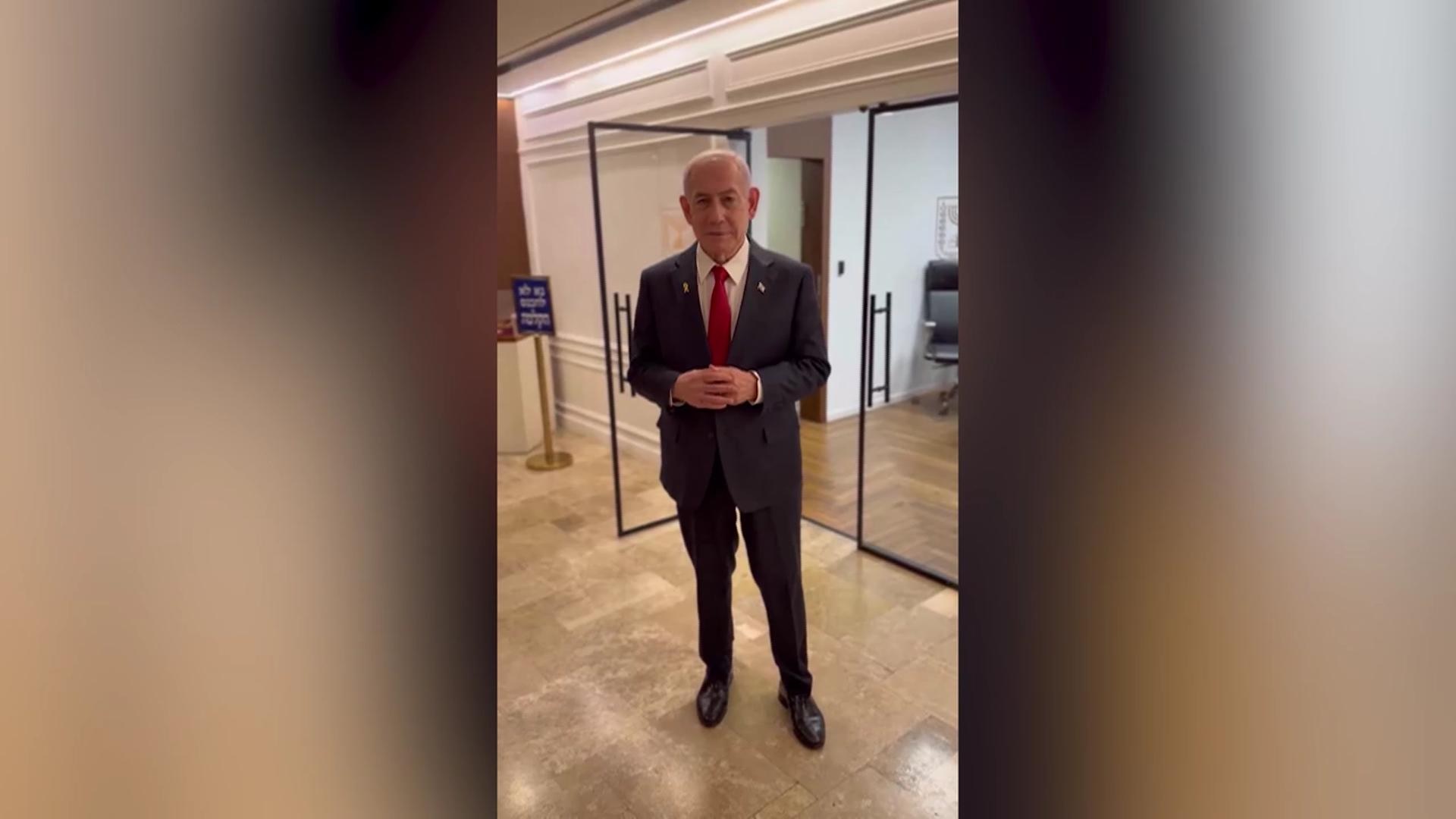
The article largely reproduces, almost verbatim, a three-minute address by Israeli Prime Minister Benjamin Netanyahu in which he dismisses the allegations against him in English and calls for a pardon.
Informer lists only the names of the cases in which Netanyahu has been indicted, without explaining the substance of the charges.
So what are the allegations that Informer describes as “nonsense” and that could result in a conviction of the Israeli prime minister?
In one of the cases, Netanyahu and his wife Sara are accused of accepting luxury gifts worth more than $260,000 from several billionaires. According to Israeli prosecutors, the gifts – allegedly including cigars, jewellery and champagne – were received in exchange for political favours.
In the remaining two cases, the prime minister is accused of attempting to influence the editorial policies of two Israeli media outlets in order to secure more favourable coverage.
In his English-language video address, Netanyahu does not present these details to an international audience that may be unfamiliar with the cases. Instead, he simplifies the allegations, claiming he is being prosecuted for “receiving cigars from friends,” for a stuffed Bugs Bunny toy his son received 29 years ago, and for allegedly being given preferential airtime on what he described as “a second-rate online outlet.”
“In 250 years of liberal democracy, no one has ever been charged because a media outlet was allegedly favourable to them,” Netanyahu said in the video.
Informer also omits the fact that Netanyahu is an internationally wanted suspect.
On November 21 last year, the International Criminal Court issued arrest warrants for Netanyahu, former Israeli Defence Minister Yoav Gallant and Hamas leader Ibrahim al-Masri. They are accused of war crimes and crimes against humanity in connection with the war in the Gaza Strip and the October 2023 attacks that triggered Israel’s military offensive in the Palestinian territory.
The Israeli prime minister condemned the ICC decision later that same day, describing the arrest warrants issued against him and Gallant as “antisemitic.”
Serbian Authorities at Odds With Prosecutors
Although the case of the Israeli prime minister has no direct connection to the situation in Serbia, the article published by Informer fits into a months-long campaign by tabloids targeting public prosecutors in the country. This narrative is not confined to the media, but is echoed almost daily by senior government officials.
Serbian President Aleksandar Vučić described prosecutors as “criminals and a corrupt gang” during a recent appearance on the television programme Ćirilica.
Uglješa Mrdić, an SNS lawmaker and head of parliament’s Justice Committee, has announced planned amendments to a package of judicial laws, saying he expects the adoption of regulations that would reorganise the prosecution service by placing the Prosecutor’s Office for Organised Crime under the authority of the Belgrade Higher Public Prosecutor’s Office.
Lawyer and legal analyst Rodoljub Šabić previously told KRIK that such a move would amount to an attempt by the authorities to take control of sensitive cases handled by the Office for Organised Crime. He cited the “General Staff” case and the “Novi Sad canopy collapse” as among the most delicate investigations currently under way.
Šabić added that the executive branch no longer has confidence in Chief Organised Crime Prosecutor Mladen Nenadić and views the high-profile investigations he is leading as a threat. For that reason, he said, the authorities would likely welcome his removal from the post.
There are also indications that prosecutors perceived as “disobedient” are being closely monitored, possibly by security services. Pro-government tabloid websites published a covertly recorded video showing Mladen Nenadić, Serbia’s special prosecutor for organised crime, attending a reception at the German embassy.
In a similar vein, over the past several days nearly all pro-government media outlets have published secretly taken photographs from an airport showing Serbia’s chief public prosecutor, Zagorka Dolovac, as she was leaving the country.
Translated in English using AI tools, then thoughtfully refined by a human editor.