Original article (in Slovenian) was published on 4/6/2026; Author: Aljaž Primožič
The United Nations added the terrorist group Boko Haram, which is attempting to violently establish an Islamic state in Nigeria, to its sanctions list back in 2014.
On 3 May, a user on the social media platform X shared the Slovenian translation of an original post by another user who describes themselves as a 30-year-old Argentinian Jew living in Israel, a supporter of his country and the West, and an opponent of Hamas and Islamic invasion.
The user claimed, among other things, that “Islamists in Nigeria murdered 52,000 Christians,” a matter they claimed the United Nations (UN) had failed to report on.
The conflict in the Lake Chad basin is monitored by the Conflict Barometer, an annual global conflict report compiled by the Heidelberg Institute for International Conflict Research (HIIK).
The Conflict Barometer has tracked the dispute between the Islamist sect Boko Haram and the government in northern Nigeria since 2009, when major unrest broke out between the opposing sides. The clashes erupted due to the sect’s opposition to Western education, with the group accusing the Nigerian government of spreading Western values and neglecting Islamic principles under Sharia law. The 2011 Conflict Barometer report indicates that the conflict had already escalated into a full-scale war by that time.
According to the 2014 report, Boko Haram expanded its violent operations including suicide bombings, kidnappings, and village raids, into other countries bordering Lake Chad. That same year, the Cameroonian government entered the war against the Islamist sect, followed a year later by the governments of Chad and Niger.
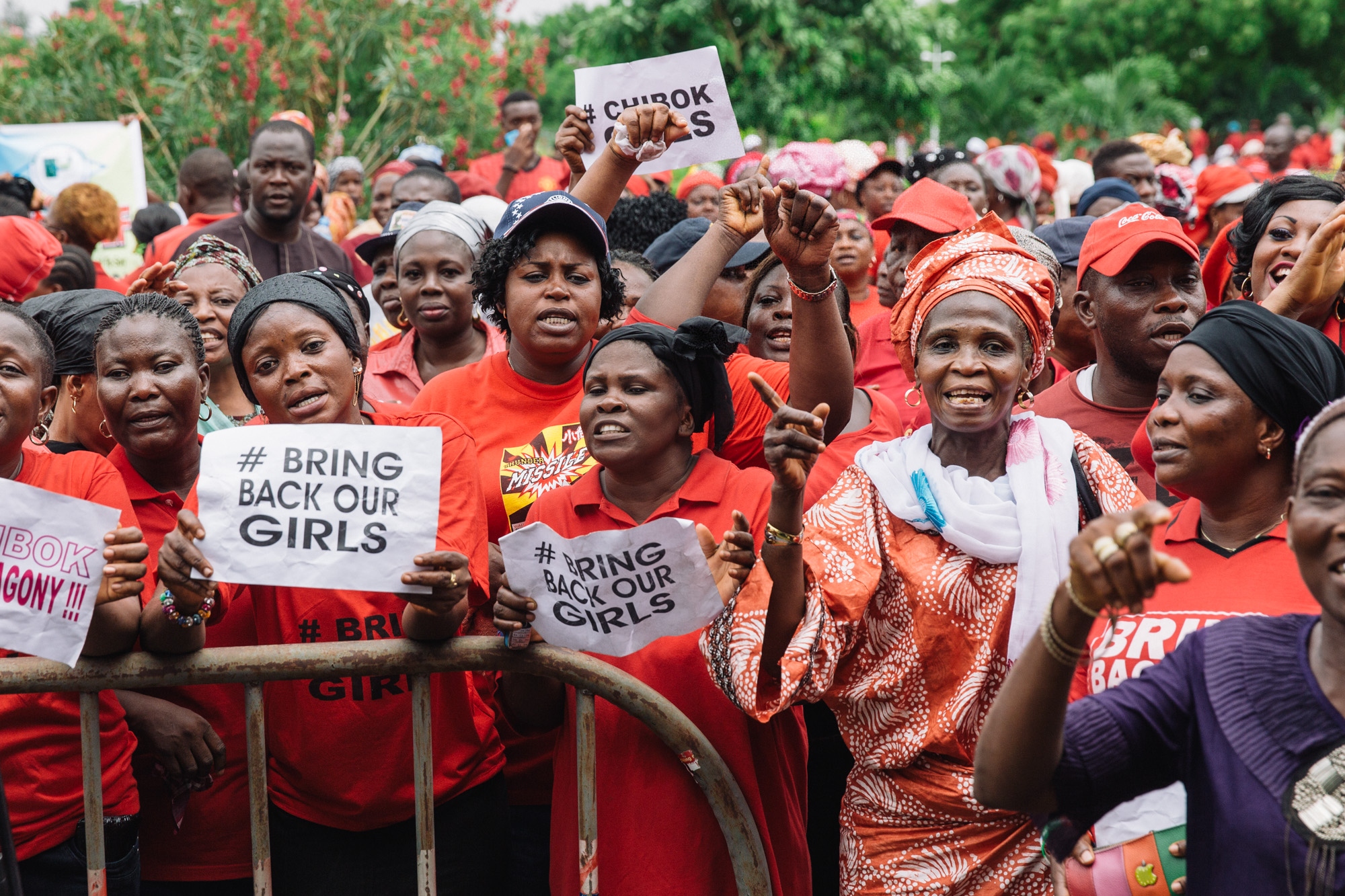
Over the past decade, UN secretaries-general and their representatives have repeatedly and publicly condemned attacks by Boko Haram and other armed groups in Nigeria. As early as 2014, former UN Secretary-General Ban Ki-moon issued a public statement condemning Boko Haram’s “continuing horrific attacks against civilians in northeastern Nigeria.” He specifically highlighted the abduction of more than 200 schoolgirls in the Chibok district and expressed solidarity with the victims of the violence.
A year later, he commented on attacks across the wider region, including “the deliberate targeting of Christian and Muslim worshippers during the Muslim holy month of Ramadan in the northeast states of Borno and Yobe.” The conflict has since spread to areas of Cameroon, Chad, and Niger.
In 2014, the UN Security Council placed Boko Haram on its sanctions list through the Al-Qaida Sanctions Committee. Consequently, the group was subjected to international financial sanctions, an arms embargo, and a ban on financial and material support from UN member states.
The UN has designated Boko Haram as an armed extremist group founded in 2002 with the aim of establishing an Islamic state, which transitioned into violent insurgency and terrorist tactics after 2009.
According to data available through UN Media, representatives of the international organization addressed the situation in Nigeria, including violence, the humanitarian crisis, population displacement, and the activities of armed groups, thirteen times last year alone during daily press briefings and official statements.
In a report on Nigeria published in January this year, the UN warned that the violence there is a prolonged and multifaceted crisis that cannot be reduced to a single religious conflict. Officials explained that violence in the country is spreading across multiple regions and involves Islamist insurgent groups, criminal militias, and localized armed clashes, with both Christians and Muslims falling victim. According to the UN, attacks frequently target civilians in both churches and mosques.
We have reached out to the X user with a request for comment and will publish their response once we have received it.
The claim that the UN has failed to speak out on the events in Nigeria, which include the killing of the local Christian population, is false.