
Original article (in Serbian) was published on 8/5/2026; Author: Teodora Koledin
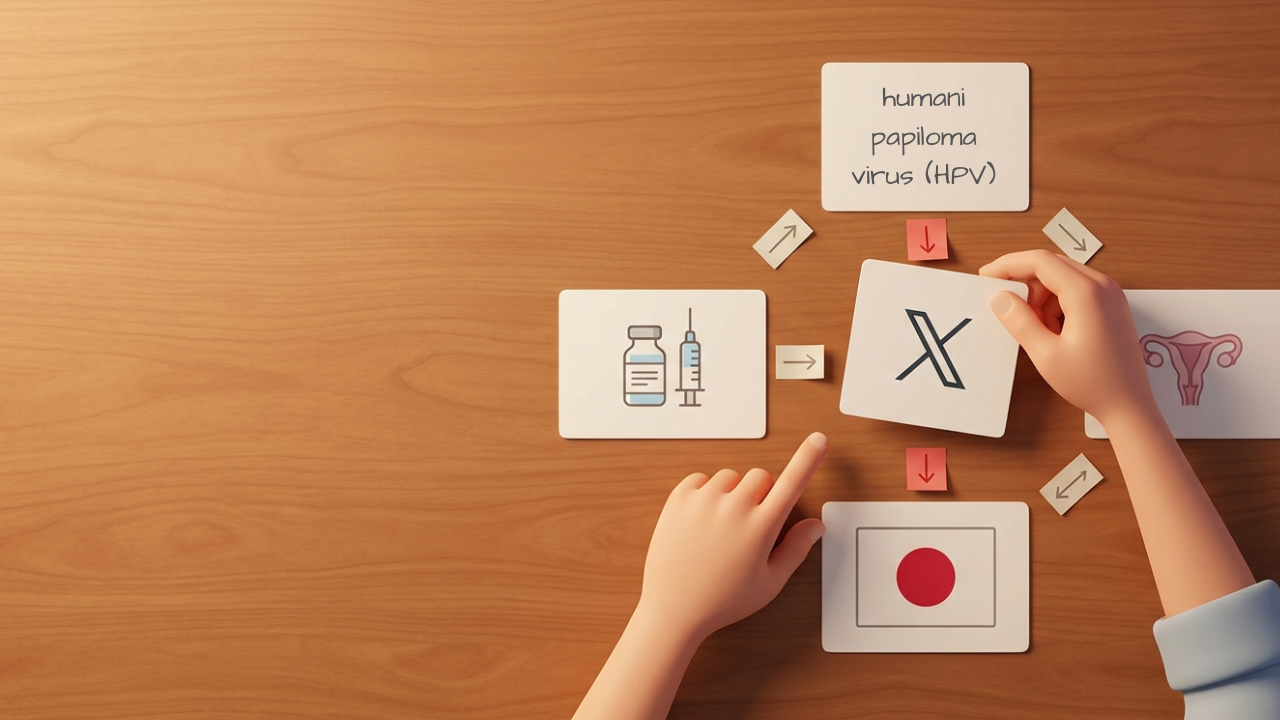
Recently, expanded immunization against human papillomavirus (HPV) was introduced in Serbia, and citizens up to age 45 can now receive the free vaccine upon the recommendation of a specialist doctor. At the same time, the citizens’ association for the fight against ovarian and cervical cancer, “Progovori”, launched an initiative this year to introduce the HPV vaccine into the mandatory immunization calendar. The aforementioned circumstances inevitably shifted citizens’ focus back to HPV vaccination, and our editorial office recorded a significant amount of (dis)information on this topic on the X social network.
This is why we will deconstruct various misleading narratives related to HPV vaccination in a two-part text about statements that are not supported by relevant scientific research or other adequate arguments.
- “The HPV vaccine causes infertility in women”
This is one of the most prevalent myths regarding HPV immunization. One X user characterized the HPV vaccine as “silent sterilization of female children.” Another photo that attracted considerable attention on the platform highlighted the claim that the vaccine “causes or contributes to adverse events that can negatively affect long-term health, including infertility.”
However, scientific tests have not confirmed this effect. The authors of a 2020 peer-reviewed study, looking at data collected between 2013 and 2016, found no link between HPV vaccination at any age and infertility in women. Researchers who last year reviewed the results of 225 studies on the possible effects of HPV vaccination on the general population did not find a correlation either. Several health institutions and organizations have come to the same conclusion (1, 2, 3).
And although there are studies that seem to suggest the opposite, don’t be easily fooled. For example, one of them was conducted in 2018 by author Gayle DeLong who was previously criticized for using wrong statistics, invalid methodology and the fact that she is an economist by profession, not a medical scientist or a doctor.
It should be noted that timely immunization can lead to the opposite effect. UNICEF Senior Immunization Manager Dr Yasmine Challoub told the AFP fact-check portal that the vaccine “can actually protect fertility” by preventing cervical cancer.
2. “Japan Bans HPV Vaccine”
And in this case, it is about another untruth. In 2010, Japan launched a vaccination promotion project with the aim of preventing cervical cancer, and in 2013, the government of this Asian country officially included the HPV vaccines Cervarix and Gardasil in the National Immunization Program. Following speculative media stories about reported side effects, the government temporarily suspended proactive vaccine recommendations. In other words, it was still available to those who wanted to receive it, but the state did not promote it.
Subsequent efforts by the researchers, however, did not lead to conclusive evidence of a link between HPV vaccines and the chronic pain or nerve damage that had been speculated. Based on the new knowledge, the Japanese Ministry of Health and Welfare has started recommending vaccination again in 2022. According to a study published in a prestigious scientific journal in 2020, the government’s decision between 2013 and 2019 could lead to an estimated 25,000 future cases of cervical cancer that could have been prevented, and more than 5,700 deaths.